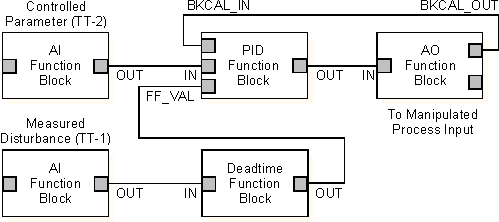
One of the most common applications of the Deadtime function block is to provide dynamic compensation in a feedforward control strategy. In some processes, the time required to impact a controller parameter might be different for a measurable disturbance than for a manipulated process input. This is usually a result of transport delay in the process.
Application example: deadtime in a heater process
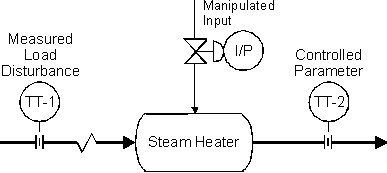
An typical heater process is shown in the following figure:
The following diagram shows the difference in deadtime between the manipulated input and the measured load disturbance for this process:
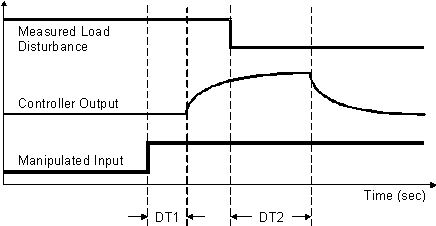
In this example, the Deadtime function block can be used to compensate for the differences in deadtime. When the flow rate to the heater is constant, the DEAD_TIME parameter should be set to a value of:

The following figure is an example function block diagram for this application: